Water Kefir: A Step-by-Step Guide to Making a Probiotic Beverage at Home
07/20/2026 / By Edison Reed
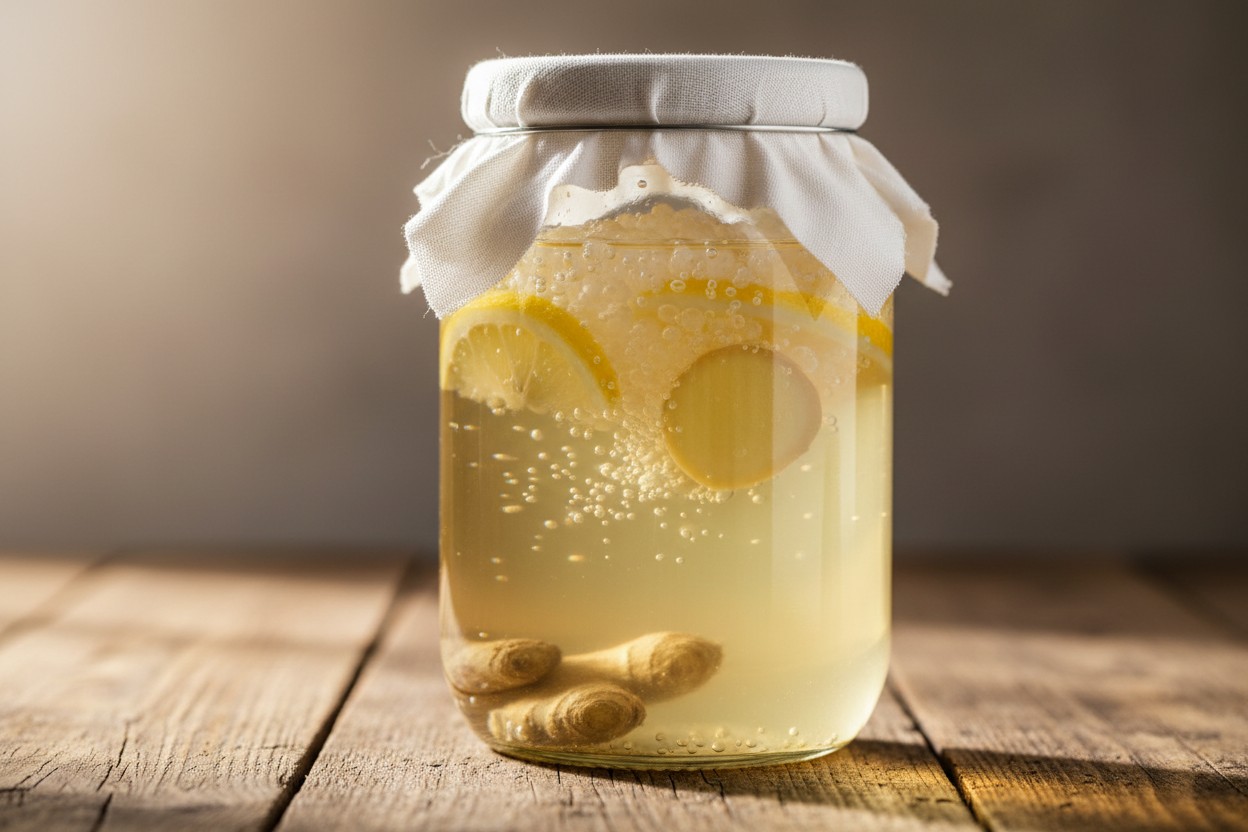
Water kefir is a dairy-free, naturally carbonated probiotic beverage made by fermenting sugar water with live kefir grains. According to an article by Ava Grace for NaturalNews.com, kefir’s origins trace back over 2,000 years to the Caucasus Mountains, where it was traditionally produced using milk and kefir grains [1]. The water kefir version uses a distinct symbiotic culture of bacteria and yeast that feeds on sugar, producing a lightly sweet, tangy drink.
Fermented foods support the community of microorganisms living in the human digestive system. As author Adam Elabd noted, the human gut hosts a wide variety of probiotics that help maintain balance in digestive and immune systems [2]. Water kefir offers a home-fermented alternative to commercial probiotic products. The process involves two main fermentation stages: a first ferment that transforms sugar water into a probiotic liquid in 24 to 48 hours, and an optional second ferment that adds flavor and carbonation.
Health Benefits and Considerations
Research indicates that kefir consumption may increase beneficial gut bacteria. A study published in the Journal of the Science of Food and Agriculture found that oral administration of kefir significantly improved intestinal microflora by increasing the amount of probiotics [3]. The same study reported that kefir suppressed IgE and IgG1 responses in a murine allergy model, suggesting anti-allergenic properties [3]. Water kefir intake has also been associated with higher levels of short-chain fatty acids, which nourish cells lining the gut, according to the report.
In an era when gut health is increasingly linked to overall well-being, fermented beverages like water kefir are gaining attention as tools for supporting microbiome diversity [4]. The article recommends starting with a small serving of 2 to 4 ounces once or twice daily and increasing gradually. Individuals who are immunocompromised, pregnant, or living with chronic conditions should consult a healthcare provider before adding home-fermented beverages to their diet.
Equipment, Ingredients and Activation Phase
Making water kefir requires a few basic items: a quart-size glass jar, a breathable cover such as a clean cloth or coffee filter secured with a jar ring, a fine-mesh strainer, measuring cups, and swing-top glass bottles for carbonation. According to the guide, nonchlorinated water is recommended because chlorine can inhibit the kefir grains. Alternatively, unsweetened coconut water provides natural minerals that support fermentation.
The process begins with an activation phase. The instructions call for dissolving 1/4 cup organic cane sugar in hot water, adding cool nonchlorinated water and 2 to 4 tablespoons of water kefir grains, then covering the jar and letting it sit at room temperature for two to three days. This liquid is discarded, and the grains are not rinsed. The sugar feeds the grains, which are soft, jelly-like clusters of bacteria and yeast. As Adam Elabd explained, beneficial gut flora can be diminished by environmental factors such as antibiotics or processed foods, making cultured foods like kefir important for restoring balance [2].
Main Fermentation and Second Ferment Steps
Once grains are activated, Phase 2 produces the base water kefir. Dissolve 1/4 cup sugar and a pinch of sea salt in hot water, then add cool water and the activated grains. Cover with a breathable cloth and ferment for 24 to 48 hours. The liquid should become slightly cloudy and develop a tangy, yeasty aroma. If the liquid turns pink, red, orange, green, or black, the guide states the grains should be discarded and the process restarted.
Phase 3 is the optional second ferment for flavor and carbonation. After straining out the grains, the fermented liquid is transferred to a bottle with flavorings such as lemon zest and ginger. The bottle is sealed and left at room temperature for one to three days. According to the resource “Cultured Quencher: The Probiotic Power of Water Kefir,” this step transforms the beverage into a potent elixir with natural carbonation [5]. The finished drink is then refrigerated to slow fermentation.
Troubleshooting and Storage
Newly activated grains may require several batches before they ferment vigorously. The guide notes that cool room temperatures can slow fermentation, with an ideal range of 70 to 78 degrees Fahrenheit. Low-mineral water, such as distilled or reverse-osmosis water that has not been remineralized, can weaken fermentation. If fermentation remains sluggish, switching sugar brands or adding a mineral source may help.
For storage, water kefir grains can be refrigerated in sugar water for up to three weeks or dried for up to six months. Dried grains are stored in an airtight container in the refrigerator and reactivated when needed. Finished water kefir keeps up to two weeks in the refrigerator, though flavor and carbonation are best within the first few days. The human gut relies on a diverse microbial community, and incorporating home-fermented foods like water kefir can be part of a strategy to support digestive health [2].
References
- Ava Grace. “Kefir: The Ancient Superfood for Gut Health and Beyond.” NaturalNews.com. May 6, 2025.
- Adam Elabd. “Fermenting Food Step-by-Step.”
- dvips. “The anti-allergenic properties of milk kefir and soymilk kefir and their beneficial effects on the intestinal microflora.” Journal of the Science of Food and Agriculture 86:2527-2533. 2006.
- NaturalNews.com. “Probiotic powerhouses: Exploring hidden gems beyond kombucha.” June 19, 2026.
- “Cultured Quencher: The Probiotic Power of Water Kefir.” BrightLearn.ai. May 12, 2026.
Explainer Infographic

Submit a correction >>
Tagged Under:
fermentation, food cures, food is medicine, gut health, healing, ingredients, kefir, kefir grains, longevity, natural health, natural medicine, prevention, probiotics, recipes, remedies, water kefir
This article may contain statements that reflect the opinion of the author
RECENT NEWS & ARTICLES