The crimson elixir: Unpacking the potent power of beet juice on blood pressure
09/12/2026 / By Ava Grace
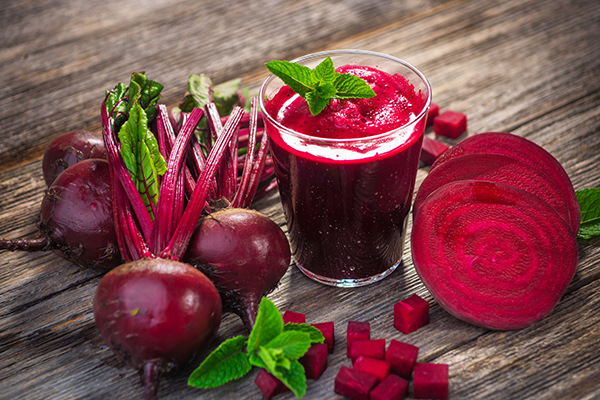
- Beetroot juice significantly lowers blood pressure through its high nitrate content, which the body converts into nitric oxide—a compound that relaxes and widens blood vessels (vasodilation).
- Clinical evidence supports its effectiveness, with a recent study showing a 1.3 mmHg reduction in systolic blood pressure after three weeks of daily consumption and a broader meta-analysis confirming an average drop of 3.55 mmHg in systolic pressure.
- Benefits may be lasting and influence daily regulation, as research indicates positive effects persist after supplementation ends and are specifically observable in at-home blood pressure measurements.
- It is a complementary tool, not a standalone cure and must be integrated into a broader health strategy with medical guidance, especially for those on blood pressure medication to avoid risky interactions.
- Safe for most but with important considerations, beetroot juice can cause harmless discoloration of bodily fluids (beeturia) and should be consumed in moderation by those prone to kidney stones due to its oxalate content; the vegetable’s nitrates are considered beneficial, unlike those in processed meats.
In an era where synthetic medications dominate treatment plans, a vibrant, earthy root vegetable is compelling scientists and health-conscious individuals to reconsider nature’s pharmacy. The news, supported by a growing dossier of clinical research, is that daily consumption of beetroot juice can lead to a significant, measurable reduction in blood pressure. This story matters now more than ever, as hypertension remains a silent, pervasive killer linked to heart disease and stroke. The quest for accessible, complementary strategies to manage this condition has turned a humble glass of beet juice into a focal point of nutritional science.
The nitrate mechanism: Nature’s vasodilator
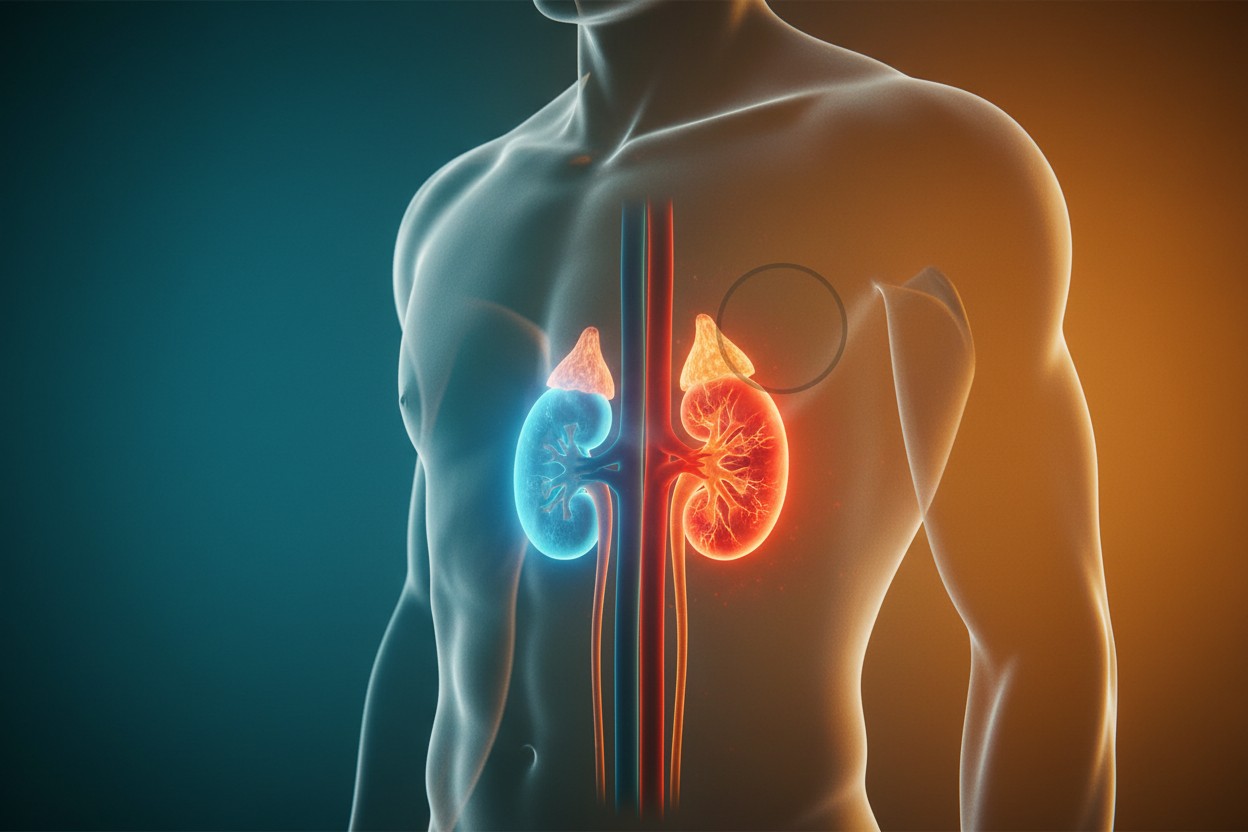
The mechanism is as elegant as it is effective. Beet juice is exceptionally rich in dietary nitrates. Once consumed, these natural compounds are converted by the body into a crucial molecule: nitric oxide. Think of nitric oxide as a relaxation signal for the vascular system. It commands the smooth muscles lining blood vessels to dilate or widen. This vasodilation reduces the resistance against which the heart pumps, easing the pressure within the arterial walls and optimizing circulation to every cell.
Evidence from recent research
A recent study underscores these benefits, particularly for those who are overweight and older. Published in the journal Nutrition Research, the study showed that daily consumption of beetroot juice concentrate significantly reduced systolic blood pressure by 1.3 mmHg after just three weeks, compared to a control juice.
The research included a one-week post-supplementation phase, revealing that the positive effects persisted, but were specifically observed during at-home blood pressure measurements rather than 24-hour ambulatory monitoring. This suggests beetroot juice may have a profound and lasting influence on daily blood pressure regulation.
From lab to living room: What the broader data shows
A comprehensive meta-analysis published in the journal Nutrition, Metabolism and Cardiovascular Diseases, which reviewed 22 trials, provides compelling figures. The pooled data revealed that beetroot juice supplementation led to an average reduction of 3.55 mmHg in systolic blood pressure and a 1.32 mmHg drop in diastolic pressure.
While these numbers may seem modest, epidemiologists note that even a 2 mmHg reduction in systolic pressure across a population can translate to a meaningful decrease in stroke and heart disease mortality. Critically, the research indicates that duration and dosage matter, with studies lasting 14 days or longer and using higher daily doses showing stronger effecthealts.
The practicalities: Dosage, timing and form
Research has employed a wide range, from a modest 70 mL to 500 mL daily. There is no universally prescribed “therapeutic dose,” but consistency is key. The acute effects on blood pressure can begin within hours, but daily consumption aims to cultivate a cumulative, longer-term benefit.
The choice between fresh juice, concentrate or powdered supplements warrants consideration. The crucial factor is the bioactive nitrate content. Consumers should scrutinize labels, as some products may have nitrates processed out or may be loaded with added sugars that counteract cardiovascular benefits.
A complementary tool, not a magic bullet
It is vital to frame beet juice as a complementary treatment, not a standalone cure. Hypertension is a complex condition. Relying solely on beet juice while ignoring factors like sodium intake, stress or physical inactivity is ineffective. It is an adjunct to be integrated into a broader, physician-guided health strategy.
For those on antihypertensive drugs, adding daily beet juice requires professional consultation. The combined effect could potentially lower blood pressure too much, leading to hypotension. This interaction necessitates coordination, underscoring that self-prescribing natural remedies carries risks.
Safety and side effects: The full picture
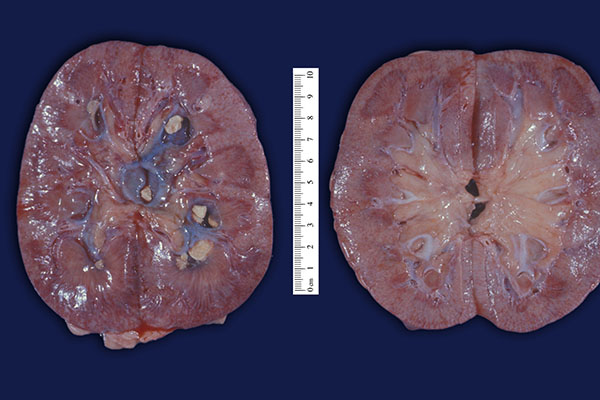
For most adults, drinking beet juice is safe, but it has peculiarities. A harmless side effect is beeturia, where urine or stools may take on a pink or red hue. More substantively, beets are high in oxalates. Individuals with a history of calcium-oxalate kidney stones should moderate their intake.
A historical point of contention involves nitrates and cancer risk, stemming from studies on processed meats. However, the nitrate story is nuanced. The nitrates in vegetables like beets come packaged with vitamin C and other antioxidants that inhibit the formation of harmful compounds. The source and dietary context of nitrates are what define their health impact.
“Beetroot is a functional food. It provides health benefits beyond basic nutrition, such as improving endothelial function, reducing blood pressure and enhancing athletic performance,” said BrightU.AI‘s Enoch. “Its rich content of bioactive compounds, including nitrates and antioxidants, directly supports these physiological functions.”
The story of beet juice and blood pressure is one of promising science, realistic expectations and necessary caution. It provides a potent, crimson-hued tool for cardiovascular health, but it is a tool that works best within the framework of informed choice, medical guidance and a holistic commitment to well-being.
Watch and discover the things that happen to your body when you drink beet juice.
This video is from the All About Herbs channel on Brighteon.com.
Sources include:
Submit a correction >>
Tagged Under:
alternative medicine, beetroot juice, highblood pressure, juice supplementation, meta-analysis, natural cures, natural medicine, remedies, research, Study, systolic pressure
This article may contain statements that reflect the opinion of the author
RECENT NEWS & ARTICLES